
Sulfur plays a crucial role in modern agriculture. As a key nutrient for plant growth, it is essential for protein synthesis, enzyme function, and chlorophyll formation. Sulfur is a fundamental component of fertilizers, particularly in the production of sulfuric acid, which is widely used to manufacture…
Choosing the Right Filtration System
Selecting the appropriate filtration technology is critical to meeting today’s safety, performance, and operational reliability requirements. While traditional pressure leaf filters have supported the sulfur industry for decades, many plants are now reassessing their filtration systems in response to increasing performance…
MECS® Shutdown and Startup Cycles
Across sulfur burning, metallurgical, spent-acid, and wet-gas sulfuric acid plants, catalyst performance remains central to achieving low SO2 emissions, regulatory compliance, high production rates, and on-stream time. Plant operators monitor SO2 emissions and, as the catalyst degrades, adjust converter temperatures to…
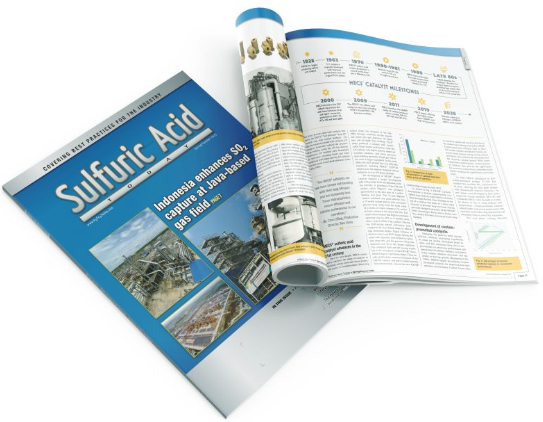
MECS® Sulfuric Acid Catalyst: Celebrating 100 Years of Innovation
Over the past century, the number of sulfuric acid plants operating globally has expanded exponentially. Throughout the 20th century, rapid industrial growth in combination with increasing demand for superphosphate fertilizers led to high demand for the “king of chemicals,” sulfuric acid….

Acid Absorption Tower Problems through Process Parameters
A poorly performing absorbing tower can manifest in poor stack appearance, bad stick test results, bad acid emission testing results, as well as acid sulfate splotches on nearby structural steel members and grade. Absorbing towers are equipped with mist eliminator elements…
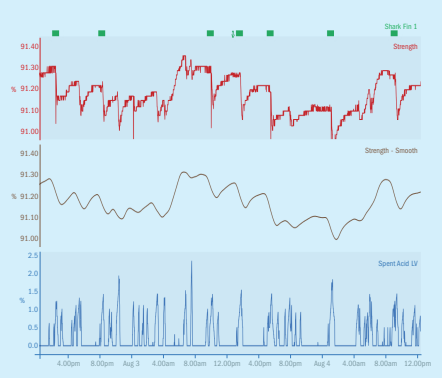
Sulphuric Acid in the Age of Technology
In today’s dynamic business landscape, digitalization has become a powerful tool for companies seeking to enhance operations. By leveraging real-time plant data, organizations can create more meaningful interactions between operations teams, technical experts within the industry and the power of machine…
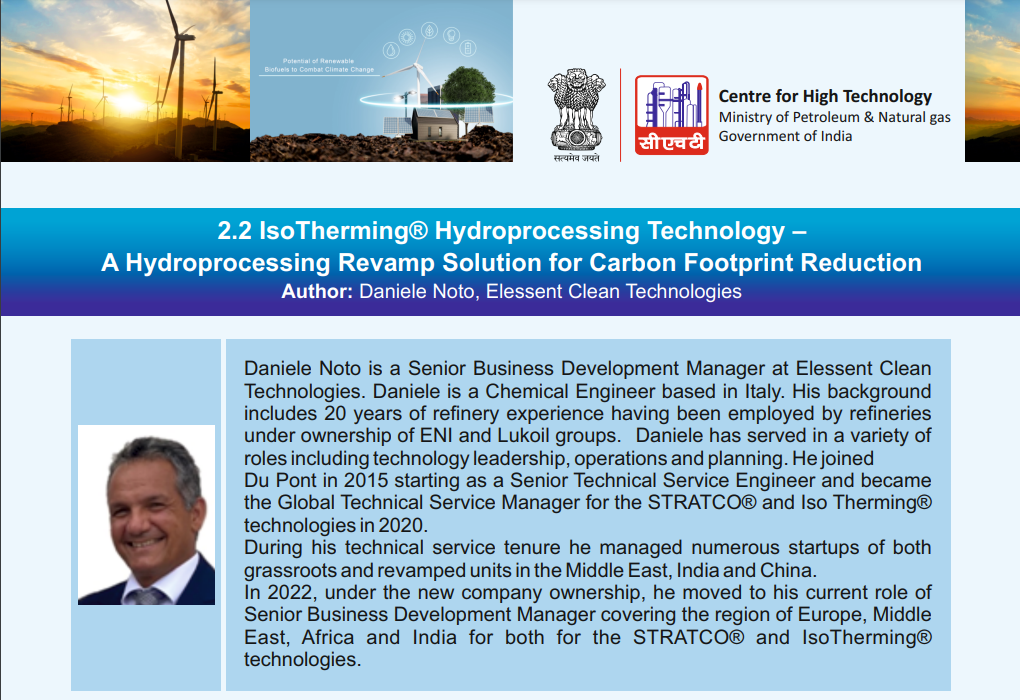
IsoTherming Hydroprocessing – A Hydroprocessing Revamp Solution for Carbon Footprint Reduction
In the age of energy transition, the value of exploring more efficient and economicalprocesses to produce fuels reducing utilities is becoming much higher. The IsoTherming® hydroprocessing technology offers a cost-effective solution to revamp existingunits to consistently reduce utility consumption and increase…
New Impaction Technology for Acid Plant Towers
MECS, Inc. (MECS) has developed a new impaction-based mist eliminator called Brink® Prime Impact™, which offers equivalent or improved efficiency at higher throughput and the same pressure drop as traditional impaction beds, resulting in the ability to debottleneck existing interpass absorption…
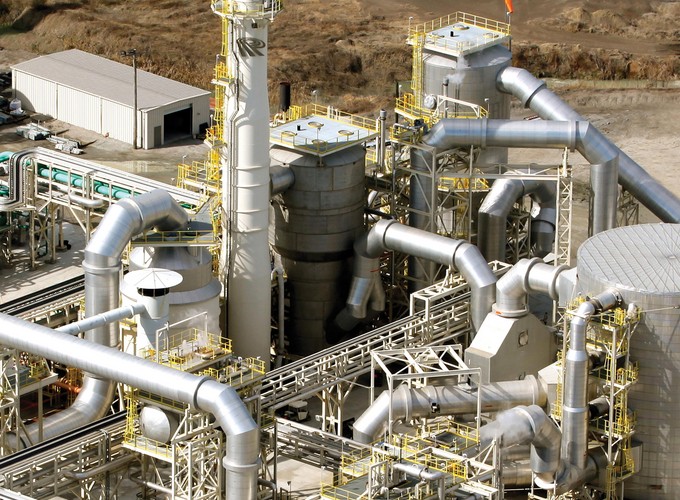
Hydrogen Safety in Sulphuric Acid Plants
Safety in sulphuric acid plants is a well-known and widely discussed topic. Industry turnover is a reality, and keeping new employees informed of hydrogen safety procedures is key to keeping plants fully operational and
incident free. Walter Weiss of Elessent Clean Technologies discusses the steps facilities need to take to prevent hydrogen incidents.

Equipped for a Cleaner Future
Anew age of fuel production is here with the introduction of policy changes pushing refineries to reduce emissions and ultimately achieve net zero goals. These policies include compliance and voluntary carbon markets that play an important role in driving refineries to make investments towards a more sustainable future. The carbon markets utilise tax credits that are available to refineries that can produce fuels in a more efficient and sustainable manner. One avenue to receiving
carbon market tax credits is to improve energy efficiency by reducing emissions generated through utilities. This can be done by measuring and optimising utility consumption, such as fuel gas, steam, cooling water and electricity, and then converting to the equivalent amount of carbon dioxide (CO2) emissions that were reduced. In addition to this, traditional fossil fuel feedstocks can be replaced by feedstocks made from renewable resources that are harder to process, such as
vegetable oils, bioethanol, and animal fats, but that are also eligible as carbon market tax credits.
 English
  Chinese